





Navigating Regulatory Landscapes In Proprietary Trading


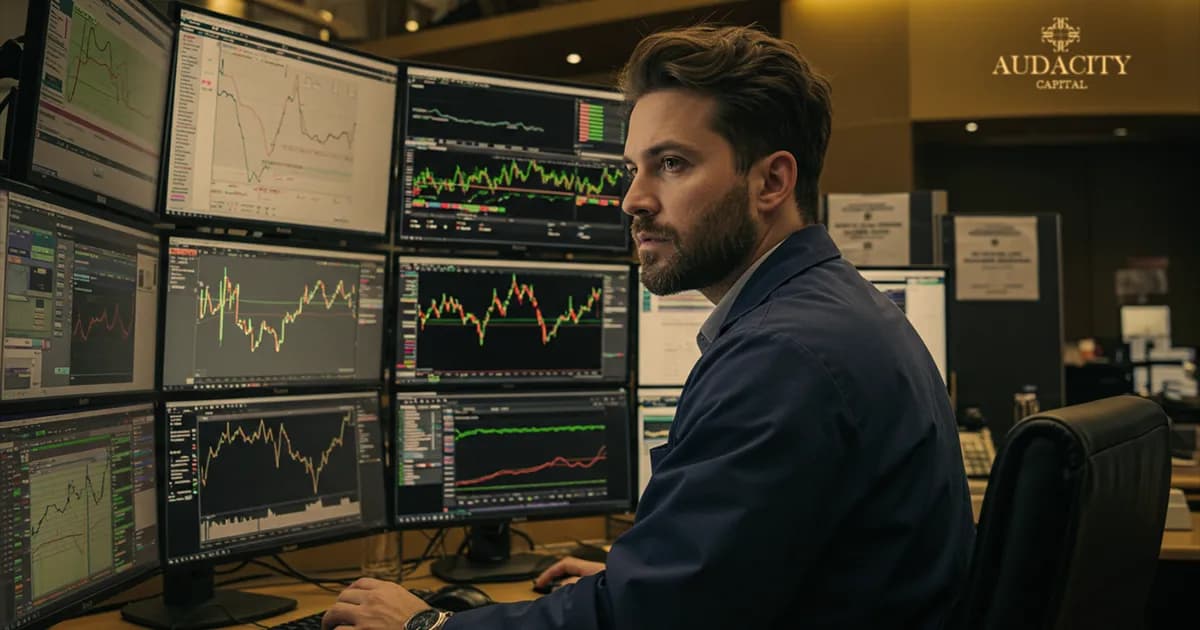
Introduction: The Importance Of Regulatory Compliance In Prop Trading
Proprietary trading firms, commonly known as prop firms, have become integral players in the global financial markets. These firms provide traders with access to substantial capital, enabling them to engage in various trading activities across multiple asset classes. However, the operations of prop firms are governed by complex regulatory frameworks designed to ensure market integrity, protect investors, and maintain financial stability. Understanding these regulations is crucial for traders considering partnerships with prop firms, as compliance directly impacts trading operations, fund security, and overall success.
Why Regulation Matters In Prop Trading
Regulatory compliance in proprietary trading is essential for several reasons:
__webp__orig.webp&w=1920&q=75)
- Licensing and Legal Operation: Prop firms must obtain appropriate licenses to operate legally within their jurisdictions. This process involves demonstrating financial stability, robust risk management practices, and adherence to anti-money laundering (AML) and know-your-customer (KYC) protocols. Compliance with these requirements ensures that the firm operates within the legal frameworks established by regulatory bodies, providing a secure environment for traders.
- Capital Adequacy and Risk Management: Regulators impose capital adequacy standards to ensure that prop firms have sufficient financial buffers to absorb potential losses. These standards protect both the firm and its traders from insolvency risks. Additionally, effective risk management practices are mandated to prevent excessive risk-taking that could destabilize the financial system. Prop firms are required to implement comprehensive risk assessment and mitigation strategies to safeguard their operations and client interests.
- Trader Protection and Transparency: Regulations often include provisions to protect traders from unfair practices, ensuring transparency in fee structures, trading conditions, and dispute resolution mechanisms. Compliance with these regulations fosters trust between traders and prop firms, contributing to a more stable and reliable trading environment.
At Audacity Capital, we prioritize strict adherence to these regulatory standards, ensuring a secure and transparent trading environment for our traders.
Common Regulatory Challenges For Prop Firms
__webp__orig.webp&w=1920&q=75)
Despite the importance of compliance, prop firms often encounter several regulatory challenges:
- Evolving Regulatory Landscapes: Financial regulations are continually evolving, requiring firms to stay updated and adapt their compliance strategies accordingly. For instance, the UK Financial Conduct Authority (FCA) has been exploring customized regulations to boost liquidity and competitiveness while maintaining market integrity. This shift aims to reduce barriers for specialist trading firms to access markets, acknowledging the need for tailored oversight in today's financial landscape.
- Cross-Border Operations: For prop firms operating internationally, navigating the regulatory requirements of multiple jurisdictions can be complex and resource-intensive. Each country may have distinct regulations concerning licensing, capital requirements, and trading practices, necessitating a comprehensive understanding and adherence to diverse legal frameworks.
- Technological Compliance: The rise of algorithmic and high-frequency trading necessitates compliance with specific technological standards and controls to prevent market manipulation and ensure fair trading practices. Regulatory bodies have implemented measures such as pre-trade risk controls and stringent oversight of algorithmic trading activities to mitigate potential risks associated with automated trading systems.
At Audacity Capital, we proactively address these challenges by maintaining a dedicated compliance team that monitors regulatory developments and ensures our operations align with the latest standards.
How To Identify A Compliant Prop Firm
__webp__orig.webp&w=1920&q=75)
When evaluating prop firms, traders should consider the following factors to ensure regulatory compliance:
- Regulatory Registration: Verify that the firm is registered with relevant financial authorities and holds the necessary licenses for its operations. This information is typically available on the firm's website or through regulatory body databases. Audacity Capital is registered in UK. You may find all the information in our website
- Transparent Operations: Assess the firm's transparency regarding trading conditions, fee structures, and policies. A compliant firm will provide clear and accessible information to its traders, fostering trust and clarity in the trading relationship.
- Robust Risk Management: Ensure the firm has comprehensive risk management policies that align with regulatory requirements, safeguarding traders' interests. This includes measures to monitor and control trading risks, capital allocation, and exposure limits.
- Trader Support and Education: Look for firms that offer educational resources and support to help traders understand regulatory obligations and best practices. This demonstrates the firm's commitment to trader development and compliance awareness.
Audacity Capital exemplifies these qualities, demonstrating our commitment to regulatory excellence and trader protection.
Best Practices For Regulatory Compliance
__webp__orig.webp&w=1920&q=75)
To maintain compliance and foster a culture of integrity, prop firms should implement the following best practices:
- Establish a Comprehensive Compliance Program: Develop and regularly update a compliance program that outlines the firm's commitment to regulatory adherence, including written policies, monitoring processes, training programs, and escalation mechanisms.
- Conduct Regular Compliance Training: Provide ongoing training to all employees to ensure awareness of applicable regulations, internal policies, and procedures. Training should cover topics such as insider trading, conflicts of interest, market abuse prevention, and data protection
- Implement Effective Compliance Monitoring and Surveillance: Utilize tools and technologies to detect potential compliance breaches, market misconduct, and unusual trading patterns. Regularly review trade surveillance alerts, conduct post-trade analysis, and promptly investigate any suspicious activities
- Maintain Thorough Documentation and Record-Keeping: Document all compliance-related activities, including policies, procedures, risk assessments, training records, and transaction reports. Accurate and complete records demonstrate compliance to regulators and serve as evidence in case of inquiries or audits.
- Engage with Regulatory Authorities: Foster positive relationships with regulatory authorities and engage in constructive dialogue. Stay informed about regulatory priorities, participate in consultations, and proactively seek guidance when needed. Regular communication with regulators helps address compliance concerns and ensures alignment with expectations.
By implementing these best practices, prop firms can navigate the complex regulatory landscape effectively, ensuring compliance and fostering trust with traders and regulators alike.

Bereit, diszipliniertes Risiko auf Krypto anzuwenden? Entdecken Sie die neuen Krypto-Instrumente von Audacity Capital und bringen Sie Ihre Trading-Strategie mit.
Mehr erfahrenNewsletter
Treten Sie unserem Newsletter bei, um auf dem Laufenden zu bleiben.
Treten Sie unserer sozialen Gemeinschaft bei

Beginnen Sie Ihre Reise heute Mit unserer kostenlosen Testversion
Präsentieren Sie stolz Ihre Fähigkeiten und Leistungen durch Zertifikate und erhalten Sie Anerkennung für Ihre harte Arbeit und Ihr Engagement von potenziellen Investoren und Kollegen.
Kostenlose TestversionVerwandte Artikel

From Strategy To Structure: How Professional Traders Turn Market Knowledge Into Consistent Profitability


The Support And Resistance Bounce Strategy A Simple Forex Method That Actually Makes Sense

Gold Hits Record Highs Then Crashes: The Full Fundamental Breakdown
Gold hit record highs before falling sharply. Why is gold crashing and will gold crash further? Discover the real reasons behind the gold price crash with insights from Audacity Capital.

The Golden Cross And Death Cross A Simple Yet Powerful Forex Strategy Explained