





Building Emotional Intelligence In Trading: The Secret Weapon Every Trader Needs



The trading world is fast-moving and requires that a trader be able to make fast decisions – decisions informed by a clear understanding of what it is that they’re doing and the likely consequences of any actions that they take.
But while technical skills are key to making this happen, success often depends on one hidden weapon: emotional intelligence. As a trader, you must be able to control your emotions when analyzing or reading market charts!
Do you ever find yourself making impulsive trades driven by fear or greed? today, we will explore why building emotional intelligence (EI)) is the key to long-term success, including a look at why It’s not just an advantage but a necessity.
Understanding Fear & Greed
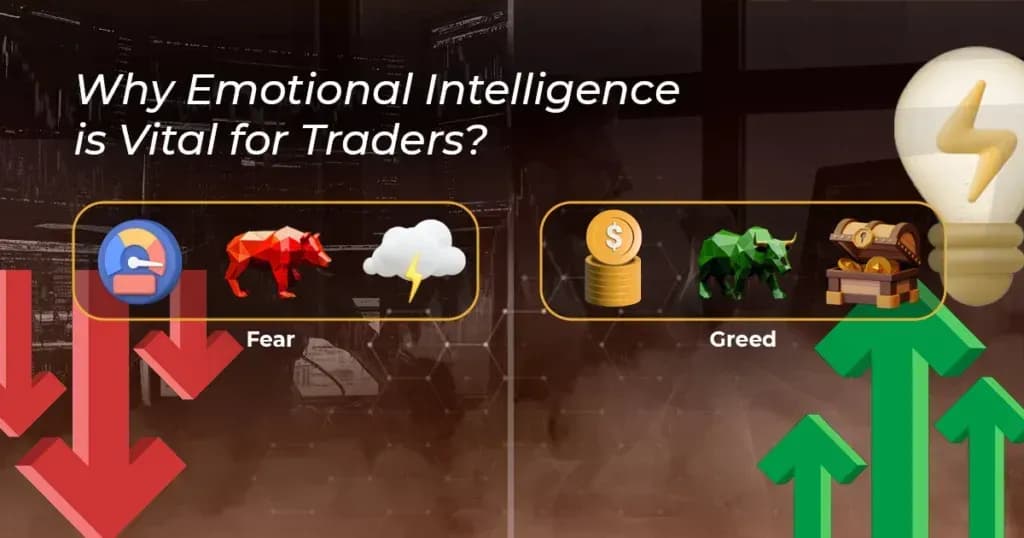
Emotions such as fear and greed are the two worst enemies of rationality. A self-aware trader is able to understand that such feelings can affect their decisions, allowing them to actively find a way to offset their influence on their trades.
For this to happen, they must understand the need to have reasonable risk-reward proportions, implement stop orders, and avoid hedging all their funds on one trade. To help with this, we recommend doing the following three things:
- Understanding Fear: Fear often leads to missed opportunities or premature exits from trades. Emotional intelligence typically begins with self-awareness. A trader who is self-aware will be able to recognize when they start acting out of greed, fear, or overconfidence. From here, they can then work to reduce these factors. The net effect of self-awareness is more rational and calculated decision-making.
- Managing Greed: Greed can push traders to take unnecessary risks or hold onto trades for too long, hoping for even bigger gains. Emotional intelligence helps traders recognize when greed is taking over and make more balanced decisions. Having appropriate trade mechanics and keeping a close eye on your performance reports is needed to help manage greed.
- Balancing Emotions: Emotions play a key role in trading, and using emotional intelligence to find a balance between fear and greed is crucial to successful trading. Creating a comprehensive trading plan and sticking to it regardless of your emotional highs or lows is vital to becoming a successful trader. Your plan should contain clear guidelines for trade entry and exit strategies, trading guidelines to follow, and well-laid-out risk management measures.
Understanding the role played by fear and greed when trading can help minimize their influence on your decision-making processes. This will, in the long run, make it easier to manage your emotions and avoid their consequences.
Why Emotional Intelligence Is Vital For Traders?
Trading inherently involves risk and uncertainty. No matter how solid your strategy is, the emotional rollercoaster of the markets can lead to poor decisions if your emotions aren’t in check. Here’s why emotional intelligence matters for traders:
- Control Over Impulsive Decisions: Traders often fall into traps of emotional trading—whether it’s chasing a losing trade out of frustration or entering a trade on a whim due to excitement. Emotional intelligence helps you pause, assess, and make decisions based on logic rather than emotional reactions.
- Better Risk Management: Fear can paralyze you from taking necessary risks, while greed can push you to take on too much risk. Emotional intelligence helps you stay balanced, allowing you to manage your trading risk more effectively and avoid making emotionally driven mistakes.
- Increased Resilience: Losses are inevitable in trading, but how you respond to them is what defines your future success. Emotional intelligence builds resilience, helping you bounce back from trading setbacks and maintain a positive outlook, even during tough times.
- Understanding Market Sentiment: Beyond your own emotions, understanding the emotions of other traders can offer valuable insights. The market often moves based on collective fear or euphoria, and having a pulse on this sentiment can give you an edge.
See also Why Ex military are good traders?
Key Elements Of Emotional Intelligence
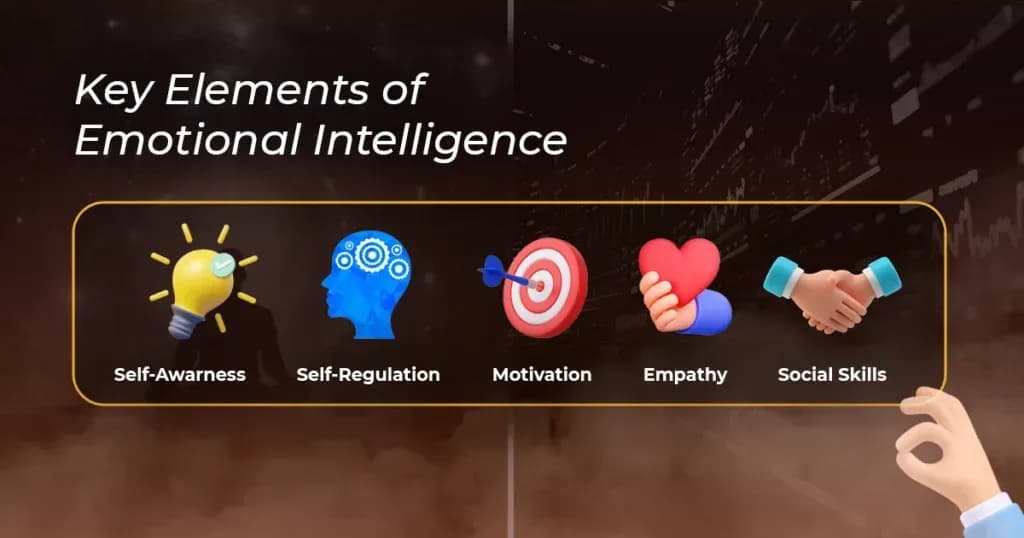
EI can be broken down into numerous key components that are particularly relevant to traders. Developing these traits will not only improve your trading performance but also enhance your overall mindset and approach to the markets.
- Self-Awareness
Self-awareness is the foundation of emotional intelligence. It’s about recognizing your emotions as they arise and understanding how they affect your decisions. Many traders react to market movements without realizing how their emotions are influencing them.
- Recognize Your Emotional Triggers: Start by identifying the emotional triggers that affect your trading. Is it fear of missing out (FOMO) when you see a fast-moving market? Do you tend to overtrade when you’re excited after a winning streak? By recognizing these triggers, you can start addressing them.
- Stay in Tune with Your Emotions: During your trading day, take moments to check in with yourself. Are you feeling anxious, frustrated, or overly confident? By identifying your emotional state, you can step back before making impulsive decisions.
2. Self-Regulation
Once you’re aware of your emotions, the next step is learning to control them. Self-regulation allows you to stay calm and composed, even in high-pressure situations.
- Pause Before You Act: When emotions run high—whether from a losing trade or a sudden market surge—take a moment to pause. This moment of reflection allows you to think logically instead of reacting impulsively. It’s often the difference between taking a calculated risk or making a rash mistake.
- Create a Trading Plan and Stick to It: One of the best ways to manage your emotions is by having a well-defined trading plan. When you have clear rules for entry, exit, and risk management, you’re less likely to be swayed by emotions. Following your plan keeps you focused on the process rather than getting caught up in the excitement or fear of the moment.
See also How Social Media is Impacting Trading
Practice Mindfulness: self-mindfulness practices, such as deep breathing or meditation, help you stay present and calm, reducing emotional reactivity. Taking a few minutes each day to practice mindfulness can significantly improve your ability to self-regulate.
- Motivation
Emotional intelligence also includes motivation—the inner drive to achieve long-term success, even when the journey gets tough.
- Focus on the Process, Not Just the Outcome: Many traders get too attached to the results of individual trades. Emotional intelligence teaches you to focus on the process instead. Whether you win or lose a trade, what matters is following your strategy and continuously improving your skills.
- Learn from Losses: Instead of letting losses discourage you, use them as learning opportunities. Emotional intelligence helps you maintain a growth mindset, where you view every setback as a chance to refine your approach and improve your resilience.
4. Empathy
Empathy in trading isn’t just about understanding others; it’s also about understanding market sentiment. Market movements are often driven by collective emotion, such as fear during a sell-off or greed during a bubble. Being able to read these emotions can give you an advantage.
- Recognize Market Sentiment: Market psychology plays a huge role in price movements. Being able to gauge when the market is driven by panic selling or exuberant buying allows you to make more informed decisions. Emotional intelligence helps you remain objective so you can spot these moments without getting caught up in the emotional wave.
- Observe Trader Behavior: In addition to your own emotions, pay attention to the behavior of other traders. Sudden price spikes, sharp declines, or unusual volume patterns often reflect emotional reactions. Empathy helps you see the bigger picture and avoid falling into the same emotional traps as the crowd.
5. Social Skills
While trading can be a solitary pursuit, social skills and building a network with other traders can provide you with valuable support, insights, and feedback.
- Collaborate and Share Experiences: Engaging with a community of traders, whether through online forums, social media, or in-person groups, allows you to share experiences and learn from others. It also gives you a sounding board for your ideas and emotions.
- Give and Receive Feedback: Don’t be afraid to ask for feedback on your trading or offer insights to others. Being open to constructive criticism and sharing your own thoughts can improve your trading perspective and emotional resilience.
See also What Economic Indicators Impact Forex Trading?
Take An Emotional Intelligence Test
Taking an EI test can help you get a better understanding of your approach to self-motivation, relationships, and trading. The results of this test will make it easier to understand why you experience difficulties in certain areas of your life.
You can then use these results to establish what you need to do to attain better outcomes. Take the emotional intelligence test today by clicking here.
Practical Steps To Enhance Your Emotional Intelligence
Now that you understand the components of emotional intelligence let’s look at some practical steps you can take to build it.
- Keep a Trading Journal: Recording not just your trades but also your emotions throughout the day is one of the most effective ways to build emotional intelligence. Note how you felt before, during, and after each trade. Over time, you’ll start to notice patterns, which will help you identify emotional triggers and improve self-regulation.
- Practice Mindfulness and Meditation: Incorporate mindfulness practices into your daily routine. This helps you develop self-awareness and the ability to manage emotional reactions in real-time. Even 10–15 minutes a day can make a big difference in your ability to stay composed during high-stress situations.
- Reflect After Market Hours: After the trading day ends, take time to reflect on how you handled your emotions. Did you stick to your plan, or did emotions cause you to deviate? What could you have done differently? Regular reflection builds emotional awareness and helps you improve over time.
- Create a Pre-Trade Routine: Develop a routine to prepare yourself mentally before entering a trade. This could include deep breathing exercises, reviewing your trading plan, or simply taking a moment to center yourself. A pre-trade routine helps you approach the markets with a calm and focused mindset.
- Take Breaks: Trading can be emotionally taxing, so don’t forget to take breaks throughout the day. Stepping away from the screen allows you to reset emotionally and avoid burnout.
Conclusion
Emotional intelligence is an essential factor in long-term trading success. While market knowledge and technical analysis are vital, the ability to control and understand emotions will not only improve decision-making but also help you maintain a healthier mindset. This will, in turn, lead to better performance and overall resilience in the markets.

هل أنت مستعد لتطبيق مخاطر منضبطة على العملات المشفرة؟ استكشف أدوات التشفير الجديدة من Audacity Capital واجلب استراتيجية التداول الخاصة بك.
اعرف المزيدالنشرة الإخبارية
انضم إلى نشرتنا الإخبارية.
انضم إلى مجتمعنا الاجتماعي

ابدأ رحلتك اليوم مع تجربتنا المجانية
اعرض مهاراتك وإنجازاتك بفخر من خلال الشهادات واحصل على تقدير لعملك الجاد وتفانيك من المستثمرين المحتملين والأقران.
تجربة مجانيةمقالات ذات صلة
The Consistency Trap: Why Traders Don’t Stay Consistent (And How Professionals Fix It)

Top 10 Mistakes Funded Forex Traders Make And How To Avoid Them

The World Is Watching Punch: But Serious Traders Should Be Watching Themselves
Discover how herd mentality and emotional reactions influence trading decisions. Learn why psychological discipline matters in the markets with Audacity Capital.

The Trader's Mind: Mastering Psychology For Consistent Market Success