



Marvin's Trading Journey
Why Marvin Took Trading Seriously After 15 Years
Trader Snapshot
Name | Marvin |
Location | Dubai |
Experience | Trading since 2007 (Serious since 2020) |
Trading Status | Part-Time Trader |
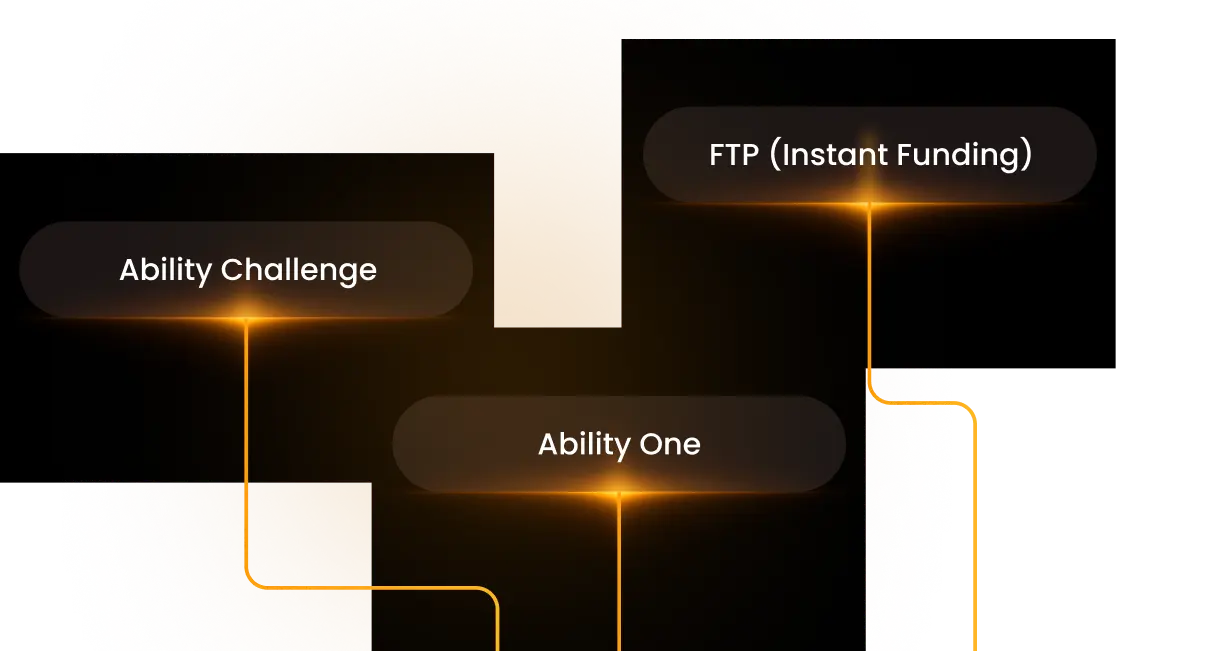
Primary Program | |
Trading Style | Pullback Trading (Day & Medium-Term) |
Marvin's Trading Journey
Overview
This article summarizes an in-depth interview with Marvin, a Dubai-based part-time trader who balances a full-time career in project management and commercial contracts with Forex trading.
Marvin has been trading since 2007 but became serious about trading around 2020, coinciding with the rise of proprietary trading firms. His journey reflects the importance of discipline, patience, and gradual progress in building long-term trading consistency.
Through funded trading programs, Marvin has strengthened his professional mindset and refined his trading approach, aiming to transition into full-time trading within the next five years.
Trading Background and Evolution
Early Trading Years
Marvin began trading stocks casually in 2007. During this phase:
- Trading was treated as a hobby
- Discipline was limited
- Losses were frequent
- No structured plan was followed
This lack of structure led to inconsistent results.
Transition to Serious Trading
Around 2020, during the COVID-19 market crash, Marvin decided to take trading seriously. This period marked a major shift in his mindset.
His experience expanded across:
- Stocks
- Indices
- Commodities (especially oil)
- Forex (primary focus today)
He began focusing on education, discipline, and structured execution.
Professional Career
Marvin works full-time in:
- Project management
- Commercial contracts
His professional background and interest in numbers contribute to his analytical trading mindset. He intentionally keeps trading as a side activity while maintaining career stability.
Trading Philosophy and Approach
Core Trading Philosophy
Marvin believes in:
- Gradual progress over fast results
- Discipline over excitement
- Process over profits
He treats trading as a professional skill that develops over time rather than a shortcut to wealth.
Transition to Prop Trading
Moving from personal funds to prop firm trading required:
- Stronger discipline
- Greater emotional control
- Rule-based execution
Prop firms helped him improve professionalism and accountability.
Strategy Preference
Marvin prefers:
- Pullback trading
- Avoiding breakout strategies
- Focusing on favorable risk-reward setups
Pullback trades offer him better control and lower risk exposure.

Ready to Trade a Funded Account?
Become a Funded TraderMarket Analysis
He combines:
Fundamental Analysis
- Economic news
- Market sentiment
- Macro trends
Technical Analysis
- Market structure
- Key levels
- Support and resistance
After major news, he waits 1–2 hours for market digestion before entering trades.
Risk Management and Trade Execution
Risk Control
Marvin maintains strict risk management:
- Risk per trade: ~1% to 1.5%
- Maximum drawdown tolerance: 20–25%
- Will abandon strategies if drawdown exceeds limits
Capital protection is his primary focus.
Risk-Reward and Win Rate
- Typical risk-reward ratio: 1:2 to 1:3
- Most common: 1:2
- Average win rate: ~40%
He accepts losses as part of statistical trading.
Trade Management
Key execution practices include:
- Regular monitoring of trades
- Moving stop loss to break-even after ~1% profit
- Closing trades early if reversal signs appear
- Avoiding “set and forget” trading
Trading Schedule
- Prefers London session
- Avoids Mondays (high volatility and whipsaws)
- Trades cautiously on Fridays
- Typically executes 1–2 trades per week
Trading Routine and Challenges
Work-Life Balance
Balancing a full-time job with trading is challenging. Marvin prefers:
- Full focus during trades
- No multitasking
- Minimal distractions
He adapts his workflow based on personal capacity and schedule.
Main Challenges
His primary weaknesses include:
- Impulse trading
- Overtrading during slow periods
- Frustration when setups are absent
He actively works to control these tendencies.
Trading Tools
Marvin uses:
- MT4
- TradingView
- Prop firm dashboard (occasionally)
- Personal performance records
He prefers maintaining his own trading journal and analytics.

Choose Your Trading Platform Now
Check Trading PlatformFuture Goals and Career Vision
Marvin’s long-term objectives include:
- Becoming a full-time trader within five years
- Continuing disciplined skill development
- Improving consistency
- Maintaining psychological stability
Recent prop firm rule changes, such as unlimited challenge time, have supported his long-term learning process.
Timeline of Marvin’s Trading Journey
Year | Event |
2007 | First stock purchase; casual trading begins |
2019 | Financed fellow traders informally |
2020 (Mar) | Discovered Audacity; began serious trading |
2020–2023 | Multiple prop challenges; discipline developed |
Present | Balancing full-time job and part-time trading |
Trading Strategy Overview
Aspect | Details |
Markets | Forex majors, oil, stocks, indices |
Trading Style | Pullback trading; medium-term bias |
Risk per Trade | 1%–1.5% |
Risk-Reward | 1:2 to 1:3 (mostly 1:2) |
Win Rate | ~40% |
Trade Management | Break-even stops, regular monitoring |
Entry Timing | 1–2 hours post-news on pullbacks |
Frequency | 1–2 trades per week |
Avoided Days | Mondays; cautious on Fridays |
Key Insights and Lessons
Marvin’s journey highlights several important principles:
- Discipline and patience drive long-term success
- Prop firms strengthen professional trading behavior
- Combining fundamentals and technicals improves alignment
- Risk control matters more than high returns
- Self-awareness helps manage personal weaknesses
- Consistency outperforms aggressive trading
Conclusion
Marvin’s story reflects the realities of building a sustainable trading career while maintaining professional stability.
His disciplined pullback strategy, conservative risk management, and focus on gradual improvement demonstrate a mature trading mindset.
By balancing work and trading, embracing prop firm structure, and continuously refining his approach, Marvin is building a strong foundation for long-term success.
His commitment to patience, education, and psychological control positions him well for his goal of becoming a full-time trader within the next five years. His journey serves as a valuable example for part-time traders seeking steady growth through discipline and professionalism rather than quick profits.
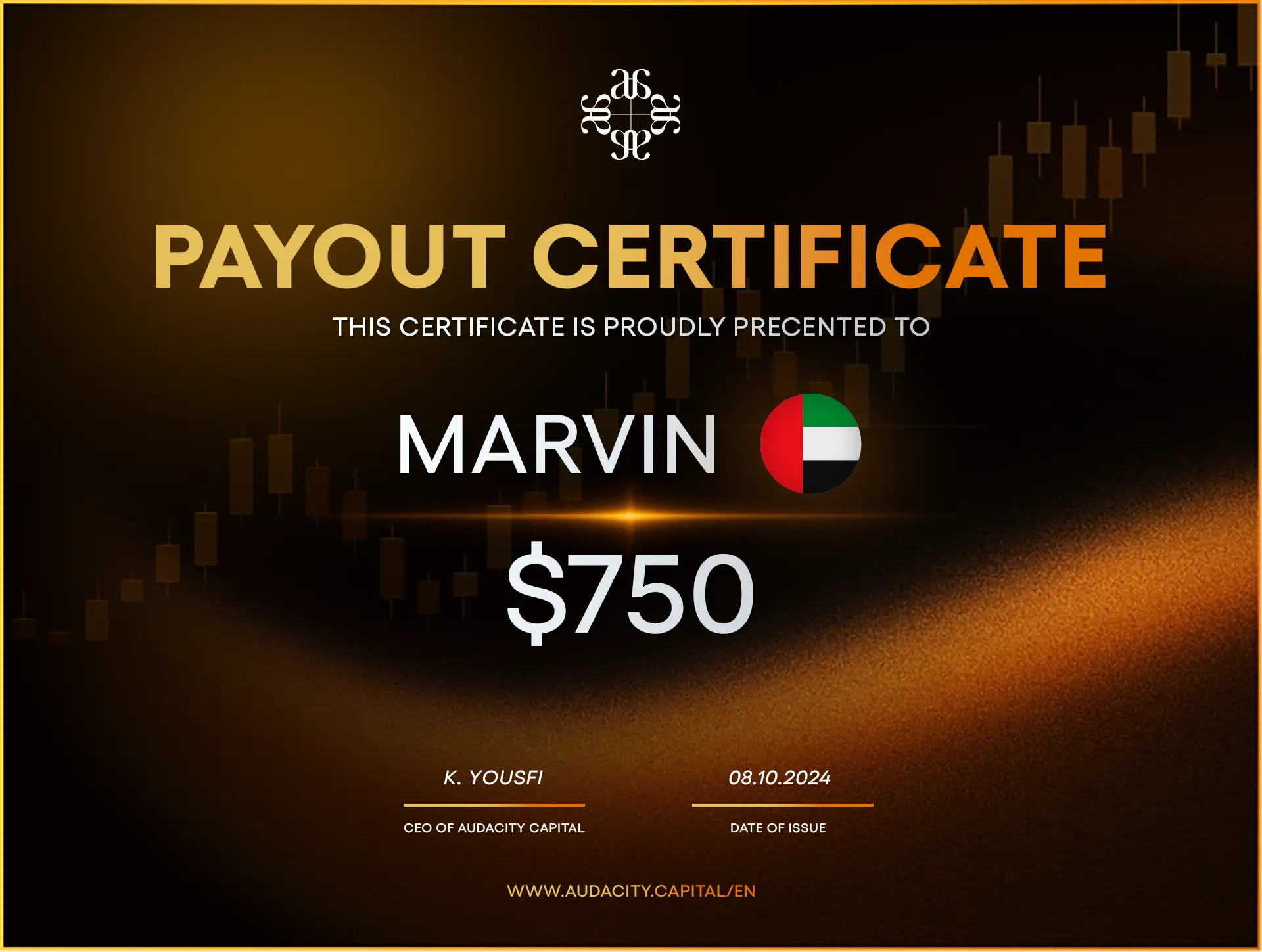
Certification
Choose Your Funded Account



Challenge
Related Success Stories

12 Years of Experience, Discipline & Progression with Audacity Capital
I had to do it the right way, and that meant focusing on consistency and controlling my emotions.

Brian’s Journey From Emotional Trading to Funded Success
Focus on one asset, master it, then diversify.
How Florida Turned 15 Years of Experience Into Scalable Results
Discipline and patience are the key to becoming a successful trader.