



Funded Forex Trader : Weak Dollar What It Means For The World?


Key Takeaways
- A weak dollar means the currency loses value against other currencies
- It can boost exports but increase import costs and inflation
- Consumers face higher prices and reduced purchasing power
- Investors often shift to assets like real estate or commodities
- Traders monitor currency strength closely in forex markets
Introduction
If you’ve managed finances for a long time, you likely understand the value of money. But what many people don’t fully grasp is what it means when the dollar becomes stronger or weaker.
A weak dollar has a ripple effect across global economies—from manufacturing and trade to the forex market and energy sector. This article breaks down what a weak dollar really means, why it happens, and how it affects you.
What Does The Weak Dollar Mean?
A weak dollar implies that the value of a dollar in terms of goods and services bought is decreasing to the amount of one or more of other foreign currencies.
The following factors can contribute to the weakness of the dollar.
- Unemployment rates
- Interest rate policy
- Deceleration or acceleration of a domestic economic growth
- Tax reform and tax policy
- Overall market sentiment
- Foreign trade policy
- Demand and supply for imported and exported goods and services
- Gross domestic product forecasts
- Trade regulations, market fluctuations, and foreign countries’ economic growth
All the mentioned factors are interconnected in one way or another and influence the strength or weakness of the dollar.

Are You Looking For A Funded Trader Program?
Join the Funded Trader ProgramIs A Weak Dollar Terrible Or Good?
A weak dollar has enormous economic implications. For instance, if the USA has some trade partnerships with a country that’s experiencing a weak currency cycle, it can lead to lower prices for the country’s products and services. Therefore, the country’s domestic manufacturers will find it difficult to compete with reduced rates.
On the other hand, if the foreign country’s currency is more potent while the dollar is faltering, this results in higher prices for imported goods. The higher rates are passed to the consumers. Also, visiting a foreign country can be more expensive because the dollar cannot stretch overseas.
See also How To use Gut Feeling And Instinct in Trading ?
When the dollar is weak, goods exported from the United States become cheaper, making it easier for those companies that sell abroad to remain vibrant in the market. Some countries can even intentionally devalue their currencies to be more competitive economically, especially in times of recession or downturn.
A weak dollar is neither entirely good nor bad—it depends on perspective.
Benefits
- US exports become cheaper → boosts international sales
- Tourism increases (cheaper for foreign visitors)
- Helps companies that operate globally
Drawbacks
- Imports become expensive → higher consumer prices
- Inflation may rise
- Overseas travel becomes costly
- Domestic industries may struggle against cheaper foreign goods
Impact on the Forex Market
In the forex market, a weak dollar typically means:
- Other currencies strengthen against USD
- Increased volatility in currency pairs like EUR/USD, GBP/USD
- More trading opportunities for forex traders
Traders often monitor:
- Interest rate changes
- Inflation data
- Economic indicators
The Relationship Between A Weak Dollar And Consumers
Besides the economic concern, you should also focus on the purchase of goods that are susceptible to the weak dollar. For instance, if a dollar loses 20% of its value, and within the same timelines, food prices and gas, thanks to inflation, rises by 20% then, it means that due to the weak dollar of your money, your money has to work 40% harder to buy the same amount of gas or food.
A weak dollar directly impacts everyday spending.
For example:
If the dollar loses 20% of its value and inflation pushes prices up by 20%, your purchasing power effectively drops significantly—meaning you need more money to buy the same goods.
Common impacts:
- Higher fuel prices
- Increased food costs
- Expensive imported products
Impact on Businesses & Global Trade
- Export-focused companies benefit
- Import-heavy businesses face higher costs
- Global trade balances may shift
Some countries may even intentionally weaken their currency to stay competitive during economic downturns.
How Can You Protect Yourself from a Weak Dollar?
Even though individuals can’t control currency strength, you can reduce its impact:
1. Increase Savings
- Use high-yield savings accounts
- Consider fixed deposits or CDs
2. Control Spending
- Focus on essential purchases
- Cut non-essential expenses
3. Invest in Tangible Assets
- Real estate
- Commodities (gold, oil)
Diversify Investments
- Stocks with global exposure
- International funds
- Inflation-resistant assets
Common Misconceptions
- Weak dollar = bad economy (not always true)
- Strong dollar = always good (can hurt exports)
- Only affects forex traders (it affects everyone)
Why the Dollar Fluctuates Frequently
Currency strength changes constantly due to:
- Central bank decisions (like the Federal Reserve)
- Inflation trends
- Political stability
- Global economic shifts
How Can I Combat Weak Dollar ?
Even though the consumer has no power over the dollar’s strength and weakness, there are still some mechanisms that can downplay the impacts of the dollar’s stability. First, one should increase savings so that he or she can exploit the rising rate environment. A CD account or high yield saving accounts is an attractive option for investing cash savings when rates rise.
The other thing focuses on your spending and budget. Spend on commodities that their prices increase with the weak dollar and eliminate non-essential expenditures.
Lastly, attach your investments with tangible assets such as real estate. These assets tend to hold investments against currency value loss.
Final Thoughts
A weak dollar plays a significant role in shaping the global economy, influencing everything from trade to everyday expenses.
While it creates opportunities in exports and trading, it also puts pressure on consumers and import-dependent industries.
Understanding how currency movements affect your finances can help you make smarter decisions—whether you’re a consumer, investor, or trader.
FAQ
A weak dollar means the value of the US dollar has declined compared to other currencies. This makes imports more expensive and exports cheaper, impacting both consumers and businesses.
A weak dollar has both advantages and disadvantages. It benefits exporters and tourism but increases import costs and inflation, which affects consumers.
The dollar can weaken due to factors such as:
- Low interest rates
- High inflation
- Economic slowdown
- Trade deficits
- Market sentiment
Consumers face higher prices for imported goods, fuel, and food. Their purchasing power decreases, meaning they need more money to buy the same items.
In forex trading, a weak dollar leads to stronger foreign currencies against USD. This creates trading opportunities due to increased volatility in currency pairs.
Yes, a weak dollar often leads to higher inflation because imported goods become more expensive, and those costs are passed on to consumers.
You can reduce the impact by:
- Saving more
- Investing in real assets like real estate or gold
- Diversifying investments
- Managing spending carefully
Governments may allow currency weakening to boost exports and stimulate economic growth, especially during slow economic periods.
Yes, it impacts global trade, commodity prices, and currency markets, influencing economies worldwide.

Kriptoya disiplinli risk uygulamaya hazır mısınız? Audacity Capital'in yeni kripto enstrümanlarını keşfedin ve ticaret stratejinizi getirin.
Daha Fazla BilgiBülten
Yeniliklerden haberdar olmak için bültenimize katılın.
Sosyal Topluluğumuza Katılın

Bugün Yolculuğunuza Başlayın Ücretsiz Denememizle
Becerilerinizi ve başarılarınızı sertifikalar aracılığıyla gururla sergileyin ve potansiyel yatırımcılardan ve akranlarınızdan sıkı çalışmanız ve özveriniz için takdir alın.
Ücretsiz Denemeİlgili Makaleler
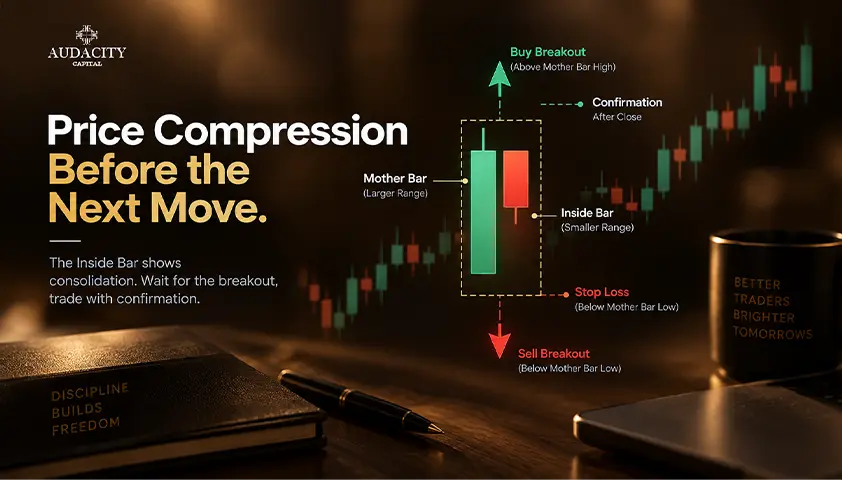
Inside Bar Pattern: Meaning, Examples and Trading Rules
Learn how to identify the inside bar pattern, compare entry and stop rules, and assess false breakouts before testing a trading strategy.

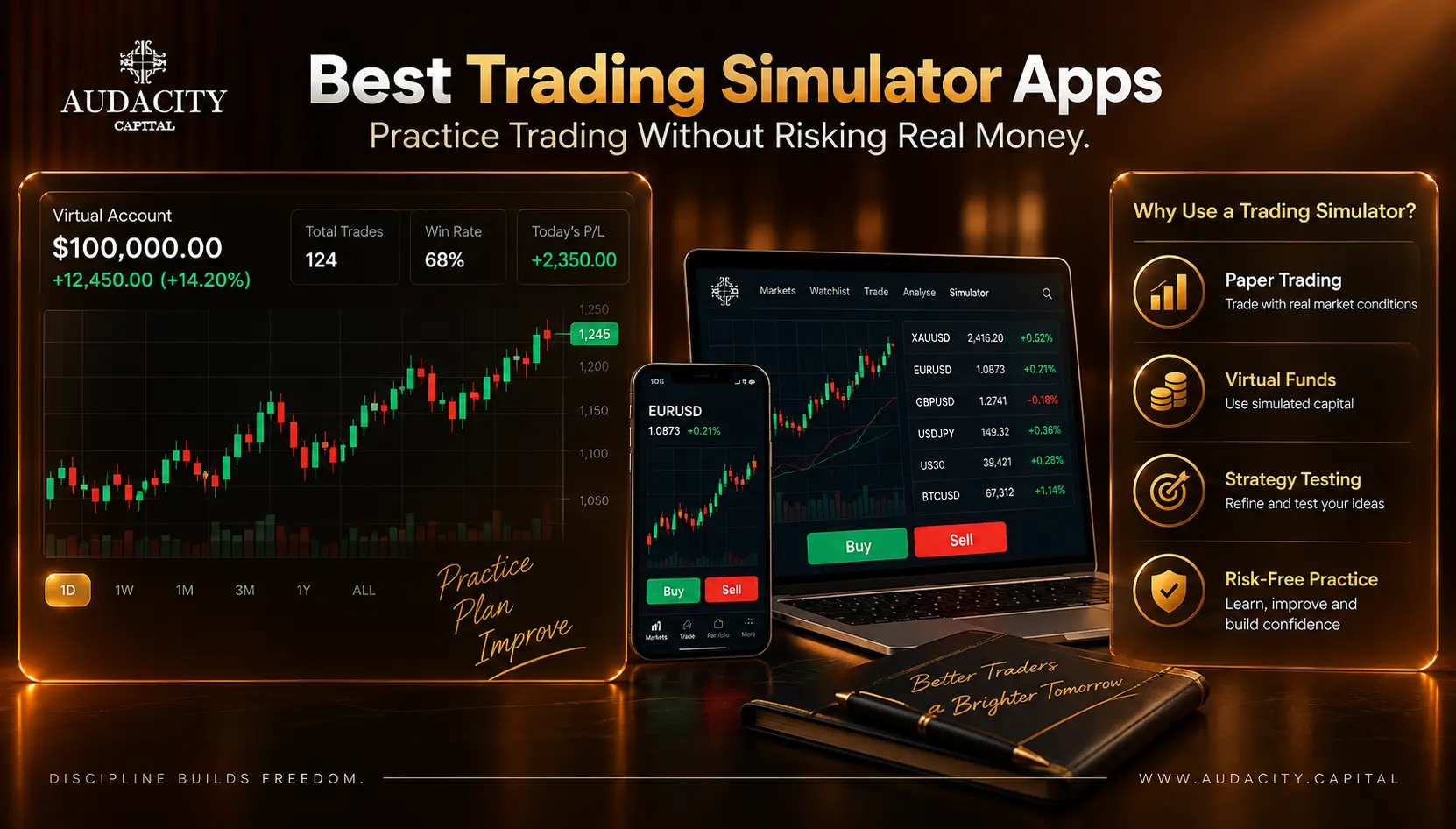
Best Trading Simulator Apps in 2026: Practice Trading Risk-Free
Compare the best trading simulator apps in 2026 for stocks, forex, futures and crypto. See features, markets, realism, pricing and beginner-friendly options.

Spinning Top Candlestick Pattern: Meaning, Formation & How to Trade
Learn what the spinning top candlestick pattern means, how it forms, bullish and bearish setups, confirmation signals, trading strategies, examples, and risks.
How Many Trading Days in a Year?
How many trading days are there in a year? See the number of U.S. stock market trading days in 2026, monthly totals, holidays and how markets differ.