



The World Is Watching Punch: But Serious Traders Should Be Watching Themselves



Key Takeaways
• Viral reactions reveal how quickly humans follow emotional cues
• Markets operate on similar emotional dynamics
• Herd mentality increases risk and reduces objectivity
• Professional trading requires detachment from noise
• Funded capital demands psychological discipline
• Long term success is built on structured execution, not reaction
The world may revolve around emotionally charged moments.
Your trading account cannot afford to.
What a Viral Japanese Macaque Story Reveals About Human Psychology, and Why That Matters in Trading
Over the past few days, social media has been flooded with emotional reactions to the story of Punch, a young Japanese macaque reportedly abandoned by his mother. Videos circulated rapidly. Commentary intensified. Millions reacted within hours.
Outrage. Sympathy. Debate. Tribal arguments. Think pieces.
But here is what is fascinating.
Most people reacting have never studied macaque behavior.
Most people do not know the full biological context.
Most people are responding to what they feel, not necessarily what they know.
That exact pattern plays out in financial markets every single day.
At Audacity Capital, we understand something fundamental about trading:
Markets are not just numbers.
They are human emotions expressed through price.
Let us break this down.
The Viral Story of Punch
Japanese macaques, often called snow monkeys, are highly social animals. Infant survival typically depends on maternal care and troop protection.
When footage emerged suggesting abandonment, people reacted instantly.
Why?
Because humans are wired to respond emotionally to perceived vulnerability.
It triggers:
• Protection instincts
• Moral judgment
• Group alignment
• Empathy responses
Now pause.
What does this have to do with trading?
Everything.
Why Humans React Before They Think
Neurologically, emotional responses happen faster than rational analysis.
The amygdala, the emotion center, activates before the prefrontal cortex, which controls logic and reasoning.
In simple terms:
We feel first.
We think later.
In markets, that sequence becomes expensive.
When price spikes aggressively upward:
• Fear of missing out activates
When price drops sharply:
• Loss aversion activates
When traders post profits online:
• Comparison bias activates
These are not technical issues.
They are psychological triggers.
Price moves because enough people react emotionally at the same time.

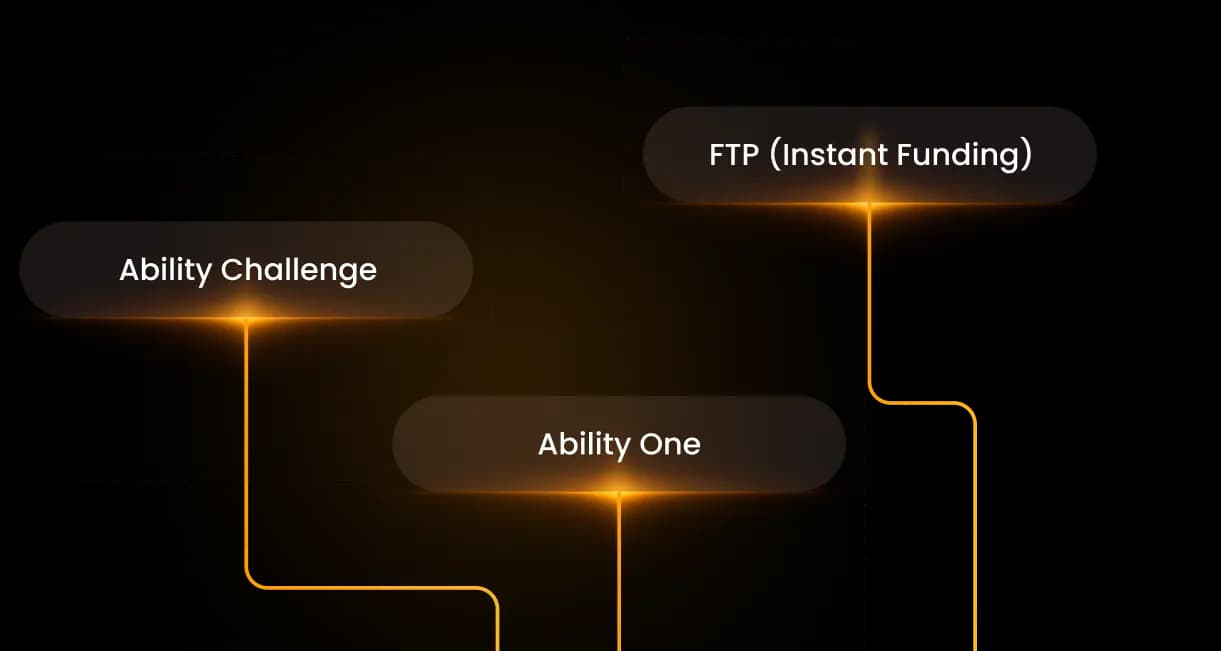
Audacity's Trading Programs
Funded Trader ProgramThe Science of Social Proof
Social proof is the psychological phenomenon where people assume the actions of others reflect correct behavior.
In the Punch story:
• Millions reacted
• More people reacted because millions reacted
• The cycle reinforced itself
In markets:
• Everyone is buying gold
• Everyone is shorting indices
• Everyone is talking about a breakout
The more people talk about it, the more urgency increases.
Professional traders ask a different question:
Is this movement supported by structure, liquidity, and risk parameters, or is it driven by emotion?
That difference determines survival.
Emotional Contagion and Market Behavior
Emotion spreads faster than logic.
Social media amplifies it.
Markets amplify it further.
Consider what happens during:
• Major economic news releases
• Sudden geopolitical events
• Sharp liquidation cascades
• Rapid breakouts
Price accelerates not because the data changed instantly, but because human reaction accelerates.
The same emotional contagion that drove global discussion around Punch drives:
• Panic selling
• FOMO buying
• Overleveraging
• Revenge trading
Emotion creates volatility.
Discipline extracts opportunity.
The Herd vs The Professional
The herd:
• Trades headlines
• Follows social media sentiment
• Increases size after losses
• Abandons strategy under pressure
• Enters late because everyone else is in
The professional:
• Trades a predefined plan
• Accepts losses as statistical outcomes
• Manages risk before thinking about profit
• Sizes positions consistently
• Remains emotionally neutral during volatility
At Audacity Capital, capital is not allocated based on excitement.
It is allocated based on control.
One undisciplined decision can erase months of consistency.
What Funded Firms Actually Look For
Many aspiring traders believe funding is about:
• Big wins
• Aggressive returns
• High risk setups
In reality, funded firms prioritize:
• Risk adjusted consistency
• Controlled drawdowns
• Strategy adherence
• Emotional stability under pressure

Audacity Capital Empowering Traders Since 2012
Join the Prop FirmProfessional capital must be protected first.
Return is secondary to survival.
The viral world rewards attention.
The trading world rewards stability.
Psychological Discipline: The Hidden Edge
Most traders work on:
• Indicators
• Entry models
• Backtesting
• Strategy refinement
Few work deeply on:
• Emotional regulation
• Bias awareness
• Impulse control
• Loss acceptance
Psychology determines execution.
Two traders can use the same strategy.
One panics and deviates.
The other remains consistent.
Over time, the disciplined trader outperforms, not because of better analysis, but because of better control.
Practical Steps to Avoid Herd Mentality
Here is how serious traders protect themselves:
- Create a Written Trading Plan : Your rules must exist before the trade, not during the trade.
- Define Maximum Risk Per Trade : Professional traders think in percentages, not emotions.
- Journal Emotional States : Record what you felt during each decision. Patterns will emerge.
- Limit Exposure to Trading Noise : Too much social media amplifies herd behavior.
- Focus on Process Over Outcome : One trade does not define performance. Consistency does.
Final Reflection
Punch became viral because emotion spreads quickly.
Markets move because emotion spreads collectively.
Professional trading is not about joining emotional waves.
It is about understanding them and staying disciplined while others react.
At Audacity Capital, we support traders who understand this principle:
Emotion drives the crowd.
Structure protects the capital.
FAQ
It is the tendency to follow the majority without independent analysis. This often results in entering trades too late or exiting prematurely.
Trading directly engages fear, greed, ego, and loss aversion, core human instincts tied to survival.
Awareness of sentiment can provide context, but execution must remain rule based. Emotion should inform observation, not drive action.
By adhering strictly to risk parameters and predefined strategy rules, regardless of market noise.

Ready to apply disciplined risk to crypto? Explore Audacity Capital's new crypto instruments and bring your trading strategy.
Learn MoreNewsletter
Join our newsletter to stay up to date on features and releases.
Join Our Social & Community

Start Your Journey Today With Our Free Trial
Proudly showcase your skills and accomplishments through certificates and get recognition for your hard work and dedication from potential investors and peers.
Free TrialRelated Articles

The Trader's Mind: Mastering Psychology For Consistent Market Success


What Is A Trading Journal And How To Use It Effectively
The Consistency Trap: Why Traders Don’t Stay Consistent (And How Professionals Fix It)

Trading Psychology- How To Stop Overthinking And Overreacting
Avoid the pitfalls of overthinking in forex trading. Enhance your trading psychology and boost your profitability with practical tips.