



6 Best Forex Swing Trading Strategies (2026 Guide)



Forex swing trading strategies include trend trading, retracement trading, breakout trading, reversal trading, and breakdown strategies. Each strategy focuses on capturing price movements over several days or weeks using technical analysis and market trends.
Best Forex Swing Trading Strategies That Work
Forex swing trading strategies focus on capturing price movements over several days or weeks by following trends, reversals, or breakouts.
When choosing swing trading strategies, it comes down to the type of forex trader you are.
There are a few best ones that many swing traders use, but no matter what you choose, they all follow the market trend or go against the trends. Here are some you can use;
These forex swing trading strategies help traders identify trends, manage risk, and make better entry and exit decisions in different market conditions.
Trend Trading In Forex
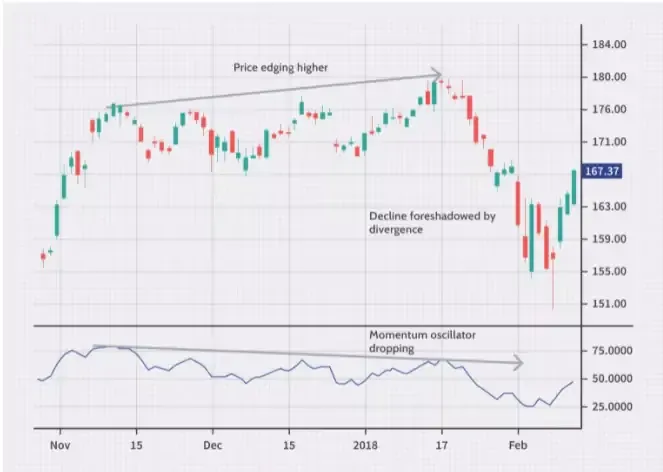
This is the best swing trading forex strategy as it applies to both the upper and lower market trends.
With the strategy, forex traders can see whether prices are going down or up. Apart from that, trend trading uses bullish trend lines. This means that traders can easily spot perfect points where the market turns from a low point and starts in an upward trend.
Pros:
- Better profits
- It has a positive risk and reward ratio
- Market entry and exit is not critical
Cons:
- Although precision is not crucial, it can sometimes be challenging to time the market
- You might get many false signals
How to Trade This Strategy
Entry:
- Enter when the market is forming higher highs and higher lows (uptrend) or lower highs and lower lows (downtrend)
- Use indicators like moving averages to confirm the trend direction
Exit:
- Exit when the trend shows signs of weakening
- Close the trade near resistance (in uptrend) or support (in downtrend)
Example:
If EUR/USD is consistently making higher highs, a trader enters on a pullback and rides the trend upward.
Retracement Swing Trading

Retracement trading is all about reversing prices temporarily with larger trends in the market.
When this happens, prices will retrace temporarily to an earlier point and then move in the same direction.
With this swing trading strategy, you have to know if it is an actual reversal trade or a pullback since many reversals usually begin with pullbacks.
Pros:
- There is a high success rate as you can get huge profits
- It can apply to bearish and bullish markets
Cons:
- Requires a deeper understanding of how to apply it in trades
How to Trade This Strategy
Entry:
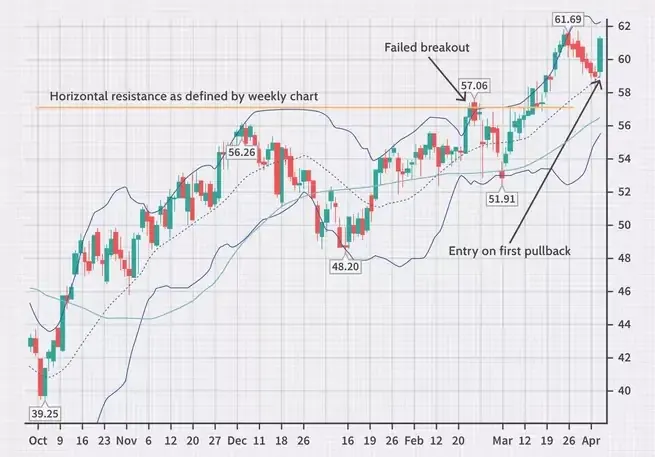
- Enter when price pulls back to a key support or resistance level within a trend
- Confirm using indicators like RSI (oversold/overbought zones)
Exit:
- Exit when price resumes the main trend and reaches previous highs/lows
- Place stop-loss below the retracement level
Example:
In an uptrend, price dips to support and then continues upward—this is where traders enter.
Breakout Forex Trading
This is yet another powerful method you can use with a swing trading strategy.
It involves taking a position as early as the uptrend begins and finding breakout positions. As soon as the price breaks, you can open a trading position.
Pros:
- Positive risk vs. reward ratio
- There is a high potential for better profits
- Compresses trading duration
Cons:
- It is difficult to time the market
- It might provide false indicators
How to Trade This Strategy
Entry:
- Enter when price breaks above resistance or below support
- Confirm breakout with strong volume or momentum
Exit:
- Exit when price reaches the next key level
- Use trailing stop to lock profits
Example:
If GBP/USD breaks above resistance, traders enter and ride the breakout momentum.
Reversal Trading
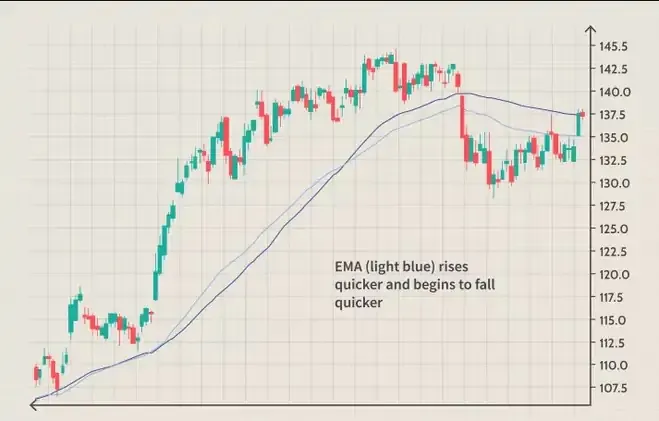
Reversal swing traders rely on a change in the direction and momentum of an asset price.
For example, if an asset trending upwards loses momentum and drops in value, this would open opportunities for reversal trading.
Reversals can be both bullish or bearish and are used when an asset suddenly starts moving in the opposite direction.
Pros:
- High profit potential if the reversal is identified early
- Can capture entire trend changes
- Works in both bullish and bearish markets
Cons:
- Difficult to identify true reversals
- High risk of false signals
- Requires strong technical analysis skills
How to Trade This Strategy
Entry:
- Enter when there are signs of trend reversal
- Look for divergence, candlestick patterns, or weakening momentum
Exit:
- Exit when the new trend starts losing strength
- Place stop-loss above/below recent highs/lows
Example:
If a strong uptrend starts slowing down and reverses downward, traders enter short positions.
Breakdown Strategy
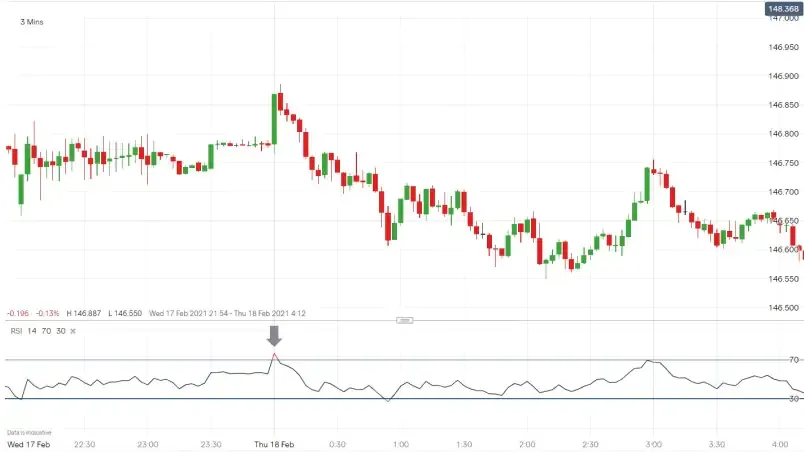
On the opposite side of breakout trading, the breakdown strategy involves entering a position at the start of a downtrend.
Traders look for price to break below key support levels and continue moving downward.
Pros:
- Clear entry points when support levels break
- Strong profit potential in downtrending markets
- Works well in volatile conditions
Cons:
- False breakdowns can occur frequently
- Requires precise timing
- Can lead to losses if the market quickly reverses
How to Trade This Strategy
Entry:
- Enter when price breaks below a strong support level
- Confirm with increased selling pressure
Exit:
- Exit near the next support zone
- Use stop-loss above the breakdown level
Example:
If price breaks below a key support level, traders enter short and follow the downward move.
Versatile Strategy
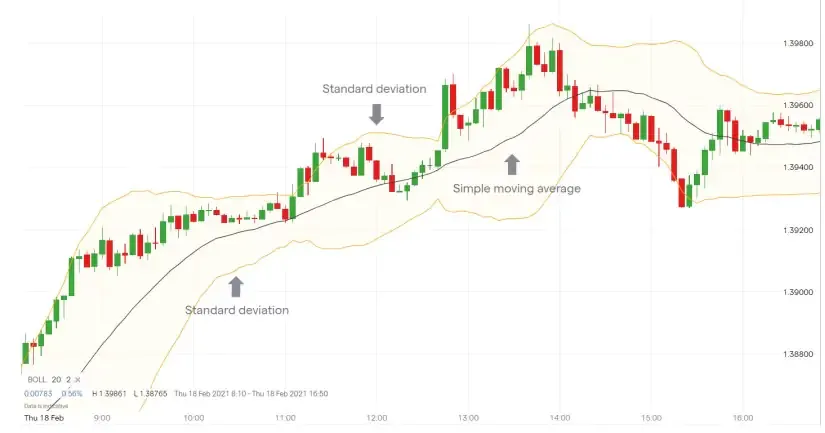
This strategy takes advantage of other trading strategies to determine price movements.
This allows traders to know when the market is highly volatile. It is a beginner-friendly strategy but requires a deeper dive compared to other swing trading methods.
It simply requires you to combine different swing trading strategies and skills to approach the market confidently.
Pros:
- It is easy to use
- It can be very profitable if well applied
- Provides a clear picture of the current price movements
Cons:
- You must understand other swing trading strategies
How to Trade This Strategy
Entry:
- Enter trades using a combination of strategies (trend + breakout + indicators)
- Confirm signals using multiple indicators
Exit:
- Exit based on combined signals (trend exhaustion, resistance levels, or indicator signals)
Example:
A trader uses RSI + trendlines + breakout confirmation before entering a position.
What Indicators Are Used in Forex Swing Trading?
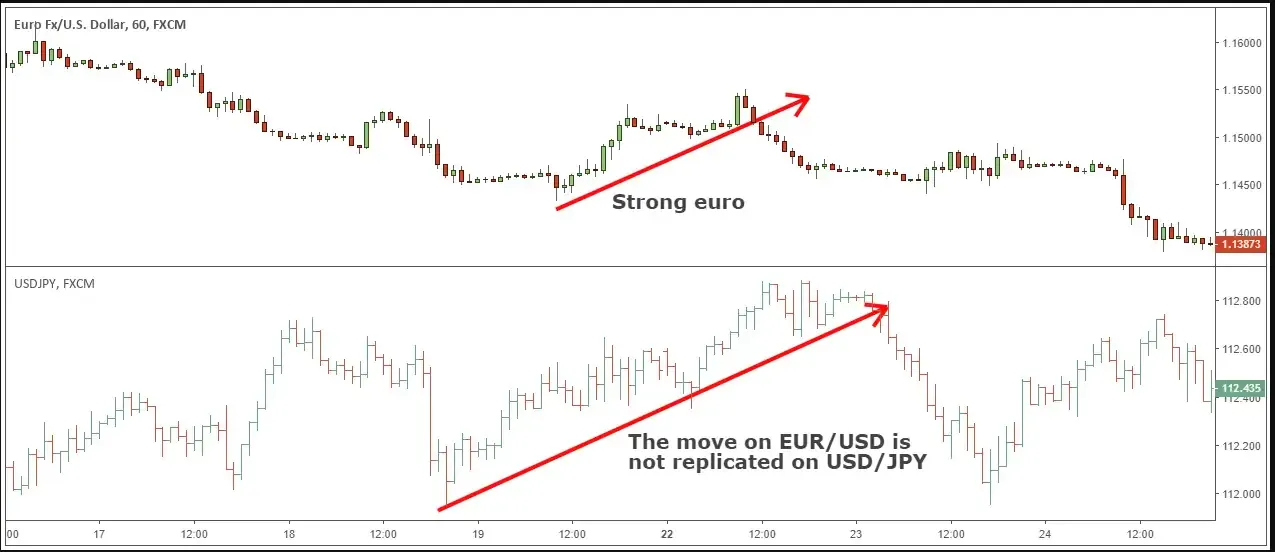
Forex swing trading indicators are technical tools used to identify trends and momentum.
Some of the most commonly used indicators include:
- Exponential Moving Average (EMA)
- Relative Strength Index (RSI)
- Bollinger Bands
- MACD
- Stochastic Oscillator
These indicators help traders identify entry and exit points more accurately.
These forex swing trading strategies often rely on technical indicators to confirm trends and improve accuracy.
Quick Comparison of Forex Swing Trading Strategies
Strategy | Best For | Difficulty | Profit Potential |
Trend Trading | Beginners | Easy | High |
Retracement | Intermediate | Medium | High |
Breakout | Active traders | Medium | Very High |
Reversal | Advanced traders | High | High |
Breakdown | Advanced traders | High | High |
Versatile | Advanced traders | High | High |
Best Forex Swing Trading Strategy for Beginners vs Advanced Traders
Choosing the right swing trading strategy depends on your experience level and ability to manage risk.
Best for Beginners
- Trend Trading
- Versatile Strategy
Best for Intermediate Traders
- Retracement Swing Trading
- Breakout Trading
Best for Advanced Traders
- Reversal Trading
- Breakdown Strategy
Which Forex Swing Trading Strategy Is Best?
Choosing the right forex swing trading strategy depends on your experience level, risk tolerance, and understanding of the market.
Some traders prefer trend trading because it provides a clearer direction, while others use breakout or retracement strategies to capture short-term opportunities within larger trends.
How To Start Forex Swing Trading
If you want to start using swing trading, there are a few crucial steps you will need to know to begin successfully. They include;
- Open a trading account
- Choose your preferred currency pair
- Select the best swing trading strategy
- Follow the news to understand market trends
- Use technical indicators to find trading signals
- Use risk management strategies and get an app to manage your trades easily.
Conclusion
Forex swing trading strategies provide a structured way to capture market movements over several days or weeks. Whether you choose trend trading, breakout strategies, or reversal setups, your success ultimately depends on how well you manage risk and stay consistent with your approach.
The best strategy is not the most complex one—but the one you can execute with discipline and confidence.
At Audacity Capital, we work with traders who focus on consistency, risk management, and long-term performance rather than short-term gains. Our funded trader programs are designed to help traders apply proven strategies in real market conditions without being limited by personal capital.
If you’re serious about scaling your trading journey, combining the right strategy with a structured environment can make a significant difference.
Frequently Asked Questions (FAQ)
What is the best forex swing trading strategy?
The best forex swing trading strategy depends on your experience level. Trend trading is ideal for beginners, while breakout and retracement strategies are suitable for intermediate traders. Advanced traders often use reversal and breakdown strategies.
Which swing trading strategy is most profitable?
No single strategy is always the most profitable. Profitability depends on market conditions, timing, and risk management. Trend trading and breakout strategies are commonly used for consistent results.
Is swing trading better than day trading in forex?
Swing trading is generally better for traders who prefer a flexible schedule and less screen time. Day trading requires constant monitoring and quick decision-making.
How long do swing trades last in forex?
Swing trades typically last from a few days to several weeks, depending on market conditions and the strategy used.
What indicators are best for swing trading?
Common indicators used in swing trading include:
- Exponential Moving Average (EMA)
- Relative Strength Index (RSI)
- Bollinger Bands
- MACD
These help identify trends, momentum, and entry/exit points.
Which swing trading strategy is easiest for beginners?
Trend trading is generally the easiest because it follows clear market direction and requires less complex analysis.


Funded Trader Program
Get Funded NowGuides About Trading Strategies
Check Our Funded Trader Program

Prêt à appliquer un risque discipliné aux cryptos ? Explorez les nouveaux instruments crypto d'Audacity Capital et apportez votre stratégie de trading.
En savoir plusNewsletter
Rejoignez notre newsletter pour rester informé.
Rejoignez Notre Communauté Sociale

Commencez Votre Voyage Aujourd'hui Avec Notre Essai Gratuit
Affichez fièrement vos compétences et réalisations grâce à des certificats et obtenez la reconnaissance de votre travail acharné et de votre dévouement auprès d'investisseurs potentiels et de pairs.
Essai GratuitArticles Connexes
Opening Range Breakout Strategy: Rules, Setups and Examples
Learn how the opening range breakout strategy works, including ORB rules, 5, 15 and 30-minute setups, entry signals, stop losses and risk management.


ICT Silver Bullet Strategy: Windows, Setup and Execution Rules
The ICT Silver Bullet windows, the setup step most guides skip, entry and stop rules, and what the published win rates rest on.

Martingale Strategy in Trading
How the martingale trading strategy works, what the doubling arithmetic actually costs, why position sizing cannot create an edge, and where it is banned.

Momentum Trading Strategy: A Comprehensive Guide
Master the core principles of a momentum trading strategy. Learn how to use key indicators, manage sharp-reversal risks, and master exit timing.