



Satish's Trading Journey
How I Quit My Job & Became a Funded Trader
Trader Snapshot
Name | Sathish |
Location | Not Specified |
Experience | Few Years |
Trading Status | Full-Time / Funded Trader |
Primary Programs | Funded Trader Program & Hidden Talent Course |
Trading Style | Intraday (London & New York Sessions) |
Satish's Trading Journey
Overview
This article summarizes an in-depth interview with Sathish, who shares his personal journey in the trading industry.
The discussion focuses on his transition to full-time trading, strategy development, risk management practices, and experience with both a funded trader program and a professional mentoring course.
His story highlights the importance of discipline, gradual learning, and psychological resilience in building sustainable trading success.
Background and Trading Journey
Sathish is a self-taught trader who began learning during the COVID-19 pandemic, when traditional job opportunities were limited.
Key stages in his journey include:
- Started trading alongside a regular job
- Learned through YouTube, candlestick books, and chart analysis
- Quit his job in August to pursue trading full-time
- Joined a funded trader program in November
- Hit his first profit target within one month
- Continues working toward professional consistency
He emphasizes that his progress came through gradual self-study rather than formal education.
Funded Trader Program and Strategy
Trading Approach
This was Sathish’s first experience trading with funded capital. Previously, he traded only personal accounts.
His main trading characteristics include:
- Intraday trading during London and New York sessions
- Use of “kill zones” for timing trades
- Focus on post-Asian session behavior
- Trading major pairs: USD/JPY, AUD/USD, EUR/USD, USD/CAD
- Avoiding stocks while learning fundamentals

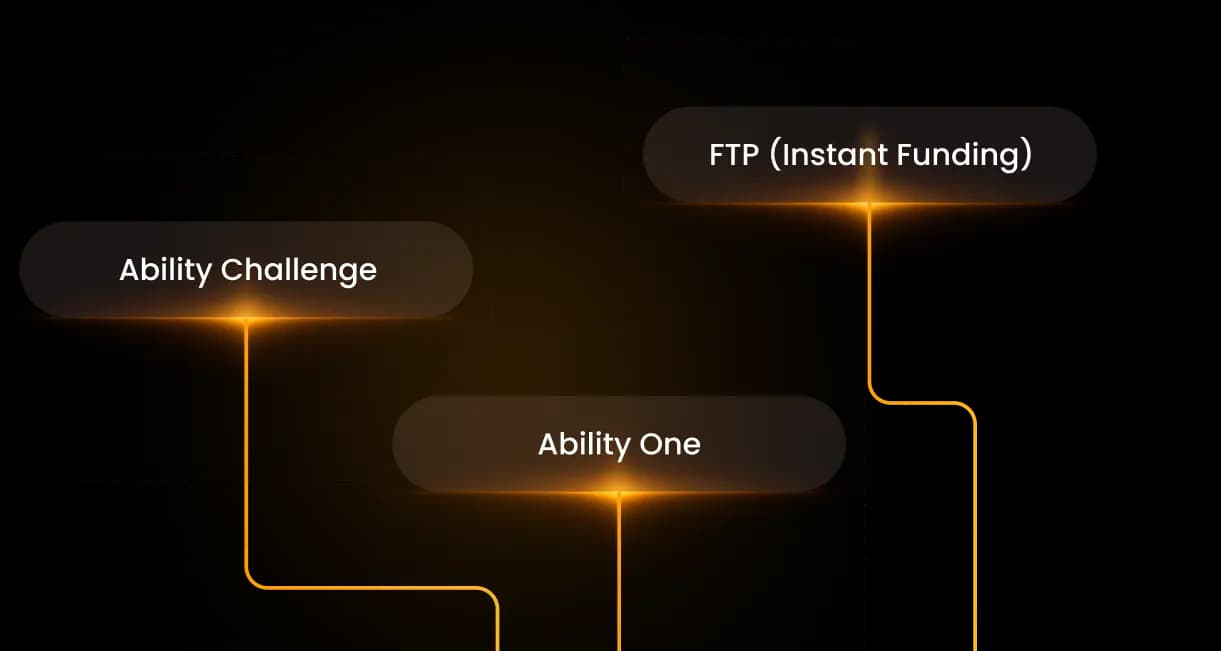
Start Your Funded Trading Journey
Join the ProgramTechnical Strategy Components
His strategy is built on multiple analytical tools:
- Break of structure and liquidity sweeps
- Asian session range manipulation
- Volume profile and fixed-range volume
- Supply and demand zones
- Multi-timeframe analysis (1H → 15M → 3–5M)
This layered approach improves entry accuracy and confidence.
Risk Management and Trading Psychology
Early Challenges
When trading personal funds (up to $500), Sathish:
- Took aggressive risks
- Used improper lot sizing
- Lacked understanding of risk percentages
This resulted in emotional and inconsistent trading.
Funded Account Discipline
The funded program introduced structured rules that improved performance:
- Clear drawdown limits
- Position sizing rules
- Accountability mechanisms
- Psychological stability
He currently trades a $30,000 funded account under these rules.
Psychological Development
Key mindset improvements include:
- Emotional detachment from money
- Acceptance of losses
- Avoidance of revenge trading
- Greater patience and selectivity
He notes that small accounts often promote risky behavior, while structured accounts encourage discipline.
Market Conditions and Trading Discipline
Sathish maintains realistic market expectations:
- Understands that news can disrupt setups
- Holds trades through news cautiously when needed
- Trades only valid setups
- Accepts no-trade days
He believes selective trading is better than forced execution.
Experience with the Funded Trading Company
Sathish’s overall experience has been positive.
Key highlights include:
- Fast withdrawals
- Responsive customer support
- Professional communication
- Transparent policies
He reported one minor holiday delay, which was resolved professionally. Based on his experience, he recommends the company to other traders.
Hidden Talent Mentoring Program
Program Structure
Before joining the funded program, Sathish completed a one-month mentoring course that included:
- Daily mentor-led sessions
- Forex-focused education
- In-person and online options
- International accessibility
Learning Benefits
The program helped him:
- Avoid beginner mistakes
- Learn from real trading examples
- Improve market understanding
- Strengthen discipline
Although he does not plan to rejoin, he strongly recommends it for beginners.
Key Insights
From his experience, Sathish highlights several lessons:
- Self-education is essential
- Full-time trading requires mental preparation
- Risk management outweighs strategy complexity
- Funded programs provide structure
- Multi-timeframe and volume analysis improve consistency
- Mentorship accelerates learning
- Loss acceptance ensures sustainability

Join the Free Prop Firm Trading Competition
Register for FreeTimeline of Key Events
Timeline | Event Description |
Few years ago | Began self-taught trading journey |
August (Previous Year) | Quit job to trade full-time |
November (Previous Year) | Joined Audacity funded trader program |
~1 month later | Hit first profit target |
Before funding | Traded $500 account aggressively |
After funding | Began trading $30K account with rules |
Mentorship period | Completed one-month mentoring program |
Conclusion
This interview highlights the real-world journey of a trader who transitioned from self-education to full-time funded trading through discipline, structured learning, and psychological development.
By embracing risk management rules, leveraging mentorship, and committing to continuous improvement, Sathish built a foundation for sustainable success. His experience demonstrates that long-term profitability is achieved not through shortcuts, but through patience, accountability, and consistent execution.
For aspiring traders, his story reinforces the importance of education, emotional control, and choosing supportive trading environments.
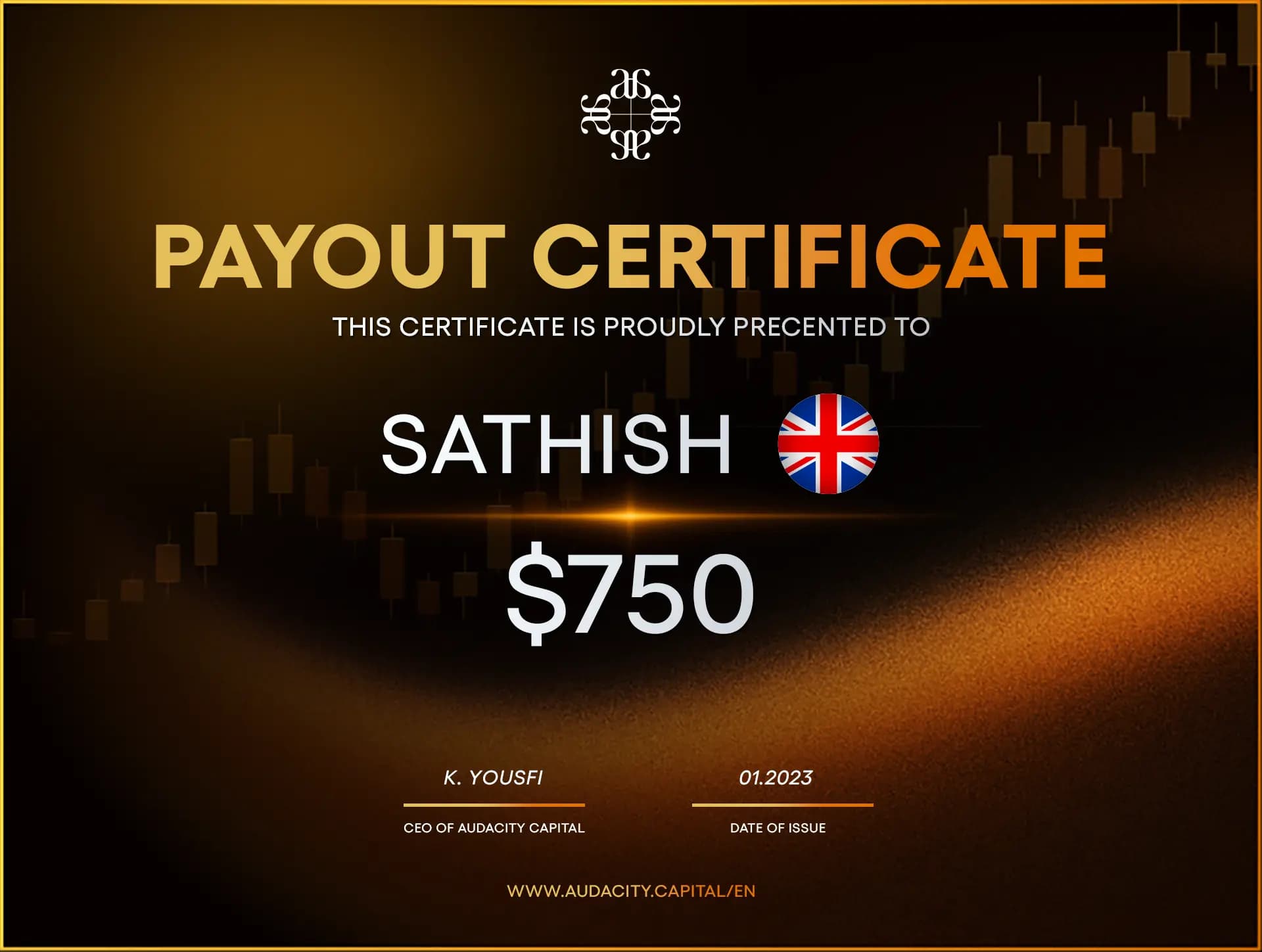
Certification
Choose The Best Plan



Challenge
Related Success Stories

12 Years of Experience, Discipline & Progression with Audacity Capital
I had to do it the right way, and that meant focusing on consistency and controlling my emotions.

Brian’s Journey From Emotional Trading to Funded Success
Focus on one asset, master it, then diversify.
How Florida Turned 15 Years of Experience Into Scalable Results
Discipline and patience are the key to becoming a successful trader.