



How Much Should You Risk Per Trade?



Risk management is one of the most important habits any successful trader can master, and it starts with one critical question: how much should you risk on each trade?
At Audacity Capital, we work with traders at every stage of their journey, and we've seen time and again how this single decision - how much capital to risk per setup - can shape long-term results, mental resilience, and even the ability to stay funded.
Why Risk Per Trade Matters
Risk per trade is the percentage of your account you’re willing to lose on a single idea. It might seem like a small detail, but it has a huge impact: it can protect your capital, limit drawdowns, and help you stay calm under pressure, especially during losing streaks.
The 1% Rule: Trusted By Pros
Most experienced traders keep their risk per trade between 0.5% and 1%. Why? Because even with a solid strategy, not every trade works out. By keeping risk low, traders give themselves the chance to play the long game, surviving losses and capitalising on wins without blowing up their accounts.
The Cost Of Over-risking
Risking 3%, 5%, or more on a single trade may feel tempting when you’re eager to grow your account or pass a challenge quickly - but it often leads to the opposite. A few bad trades can wipe out days or weeks of progress. Worse, over-risking can trigger psychological stress, forcing poor decisions and clouding judgment.
In our programs, this also means traders risk breaching loss limits, ending their evaluation or funded accounts prematurely.
”
We don’t expect perfection, but we do look for professionalism. At Audacity, we encourage traders to treat trading like a business, not a bet. Controlled risk, consistent sizing, and a focus on long-term profitability are not just good habits - they’re the backbone of sustainable success in our funded programs.
Why Smart Risk Leads To Real Growth
Risking less doesn’t mean limiting your potential. In fact, it’s the opposite. By protecting your capital, you gain the ability to stay in the game longer, learn from your trades, and build a track record we (and you) can trust. That’s how traders pass the Ability Challenge, keep their funded accounts, and ultimately scale.
One Lucky Step?
Trading isn’t about hitting it big on one lucky setup. It’s about building consistency, protecting your edge, and showing that you can manage both risk and reward with discipline.
At Audacity Capital, we back traders who think long-term - those who understand that smart risk is a signal of serious intent. If you’re ready to treat trading like a profession, not a gamble, then you’re on the right track.

Готовы применить дисциплинированный риск к криптовалютам? Изучите новые криптоинструменты Audacity Capital и примените свою торговую стратегию.
Узнать большеРассылка
Подпишитесь на нашу рассылку.
Присоединяйтесь к нашему сообществу

Начните свое путешествие сегодня с нашей бесплатной пробной версией
С гордостью демонстрируйте свои навыки и достижения с помощью сертификатов и получайте признание за свой тяжелый труд и преданность делу от потенциальных инвесторов и коллег.
Бесплатная пробная версияПохожие статьи

ICT Silver Bullet Strategy: Windows, Setup and Execution Rules
The ICT Silver Bullet windows, the setup step most guides skip, entry and stop rules, and what the published win rates rest on.

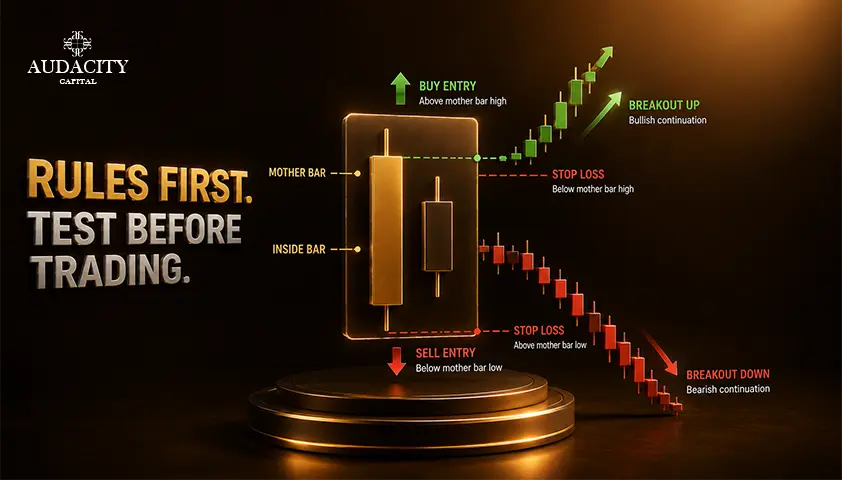
Inside Bar Trading Strategy: Rules, Entries and Backtest Guide
Learn a rule-based inside bar trading strategy. Get the pattern definition, three entry models, stop and target logic, and a backtest framework for your market.
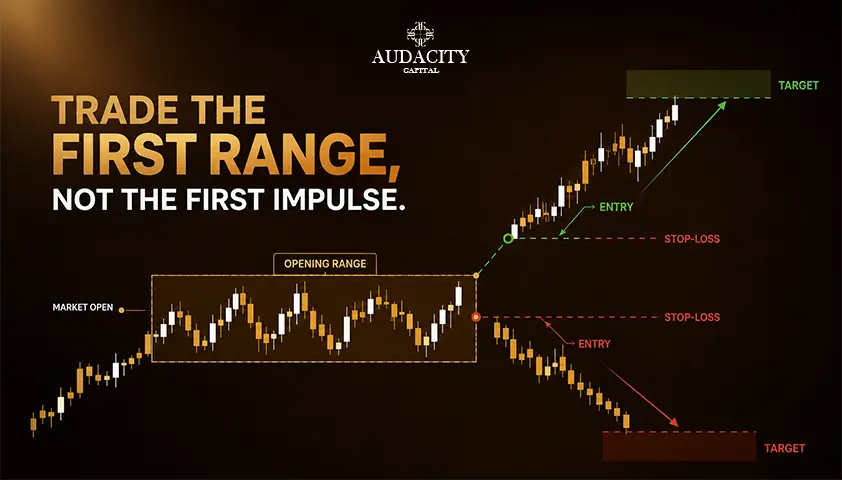
Opening Range Breakout Strategy: Rules, Setups and Examples
Learn how the opening range breakout strategy works, including ORB rules, 5, 15 and 30-minute setups, entry signals, stop losses and risk management.
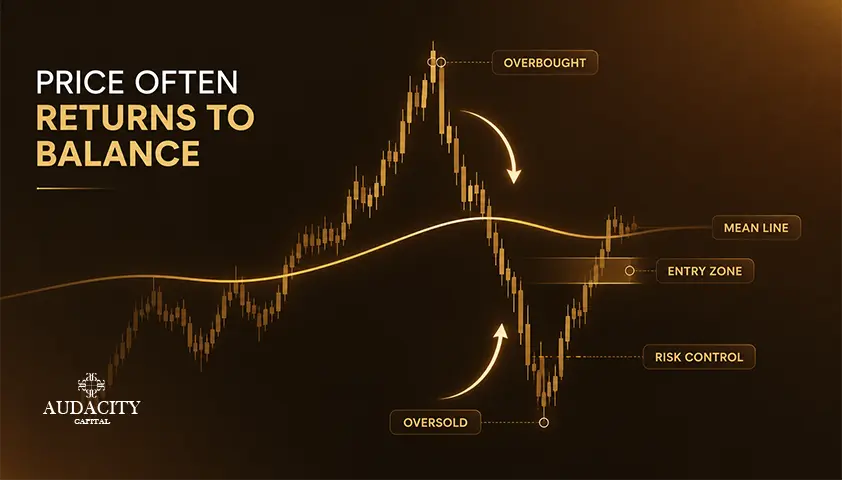
Mean Reversion Trading Strategy Explained (2026)
Prices that stretch too far tend to snap back to an average, but only in the right market. Learn the tools, the setup, and the trend risk.