


DCA and position stacking
A second Gold position was added while the first was losing.

Philip Ezekiel breached the daily drawdown after abandoning his initial risk controls, adding to a losing Gold position, trading without Stop Losses, manually closing losses, and trading during a restricted news window.

Trader | Philip Ezekiel |
Account Size | $25,000 |
Programme | FTP |
Total Trades | 5 |
Equity at Breach | $23,723.33 |
Daily Drawdown Threshold | $23,765.20 |
Breach Margin | $41.87 |
Violations | News trading and DCA |
Outcome | Daily drawdown breached |
Philip Ezekiel started with Stop Loss and Take Profit levels on his first two trades. He even moved one Stop Loss above entry to protect the position.
However, those controls disappeared as the session deteriorated. He stacked Gold positions, traded without Stop Losses and manually closed multiple losing trades together before breaching the daily drawdown limit.
Philip’s first two trades had Stop Loss and Take Profit levels.
He also moved one Stop Loss above the entry price, showing that he understood how to protect an open position and remove risk.
Philip opened his second XAU/USD position while the first was still active and in a floating loss.
Instead of managing one position, he increased his exposure to the same losing idea. Both positions were eventually closed manually rather than through their planned exits.
Trades four and five were 0.5-lot positions on Gold and Bitcoin, both opened without Stop Losses.
The Gold trade was entered only five seconds after the previous trade closed and produced the session’s largest loss of $479.50. The Gold and Bitcoin positions were later closed manually at the exact same second.
Philip started with Stop Losses and Take Profits in place.
He added to a losing Gold position and continued trading.
He removed Stop Loss protection, traded during a restricted news window, and manually managed losing positions.
His equity fell below the daily drawdown threshold, resulting in an account breach.
A second Gold position was added while the first was losing.
The final two trades had no downside protection.
Every trade was closed through the mobile platform rather than by its Stop Loss or Take Profit.
A new Gold position was opened only five seconds after the previous trade closed.
Multiple positions were repeatedly closed together, suggesting decisions driven by account pressure.
A position was opened within the restricted news window.
Philip should have maintained the same risk controls used on his first two trades.
After the initial Gold position moved into a loss, he needed to accept the planned exit rather than add another position. He should also have paused before reopening Gold and ensured every new trade had a Stop Loss before entry.
Maintain your initial risk controls, accept planned exits, pause after losses, and never enter a new trade without a Stop Loss.
Philip showed that he understood basic risk management, but he abandoned it when the session became difficult.
Discipline is not proven when trades are comfortable. It is proven when the market moves against you and you still follow the plan.
Ask yourself:
Risk management must become stricter when losses begin, not disappear.
Success Follow-up
Every trading setback offers an opportunity to learn, adapt, and improve. These real trading experiences highlight the mistakes, decisions, and lessons that can help traders build better habits and approach the markets with greater discipline.
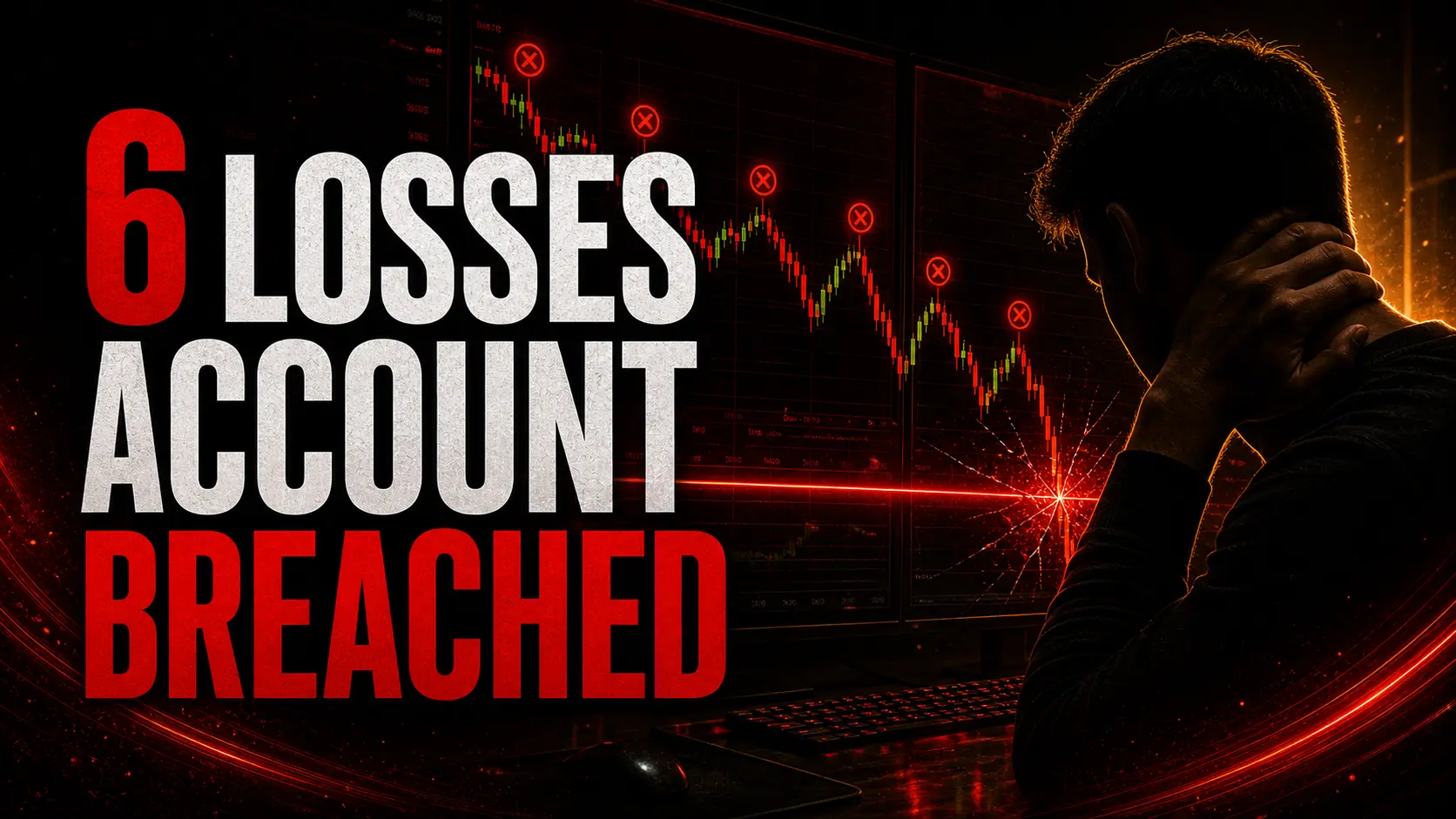
Asim started with a patient and controlled approach, but six consecutive Gold losses on May 18 led to increased risk, impulsive decisions and a daily drawdown breach. The key lesson is that stopping after repeated losses and protecting capital is more important than trying to recover losses immediately.
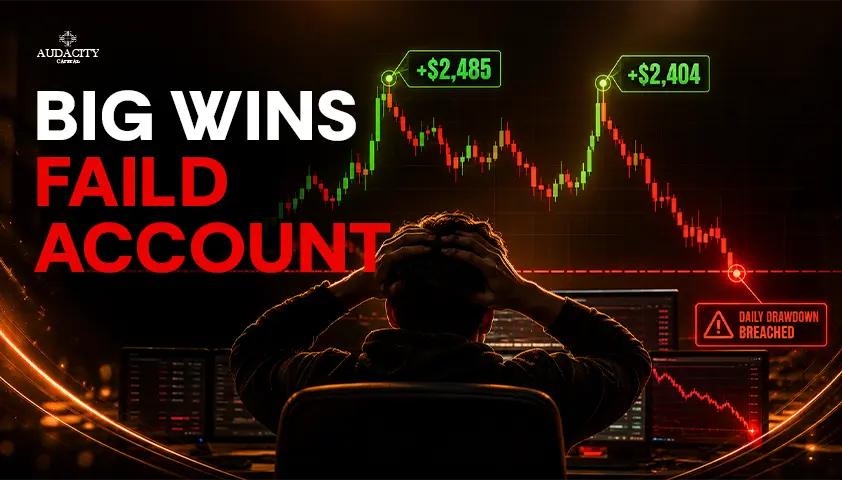
Olzhas Saukenov had a strong 3.4:1 average reward-to-risk ratio, but his 18.9% win rate was below the ~22.8% break-even level. Frequent trading, a 12-trade losing streak, limited de-risking, and continued XAU/USD positions during a losing period eventually pushed the account below its daily drawdown limit. Key lesson: A strong reward-to-risk ratio cannot overcome a strategy with an insufficient win rate and poor risk adaptation during losing streaks.

Chinonso Ogbonna’s account suffered after an oversized first trade caused a 3.1% loss, followed by repeated entries, revenge trading and a ten-trade losing streak. Although he used Stop Losses and avoided prohibited practices, poor risk sizing and failure to pause after losses allowed the drawdown to escalate.